

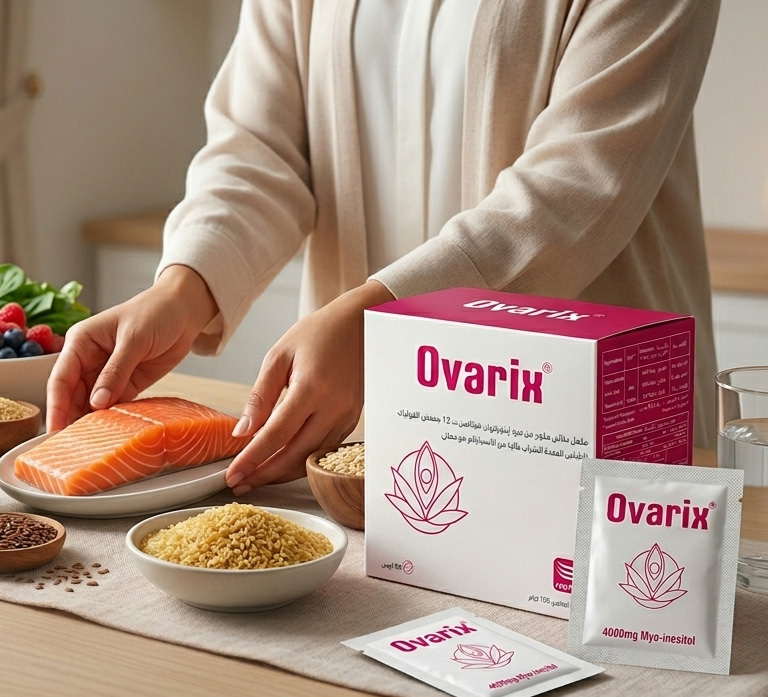
Polycystic Ovary Syndrome (PCOS) is one of the most common hormonal conditions affecting women of reproductive age. In Saudi Arabia, studies suggest that up to 1 in 5 women may be affected — yet many remain undiagnosed for years. Understanding what PCOS is and how the right nutrition and supplementation can help is the first step toward better health and fertility.
What Is PCOS?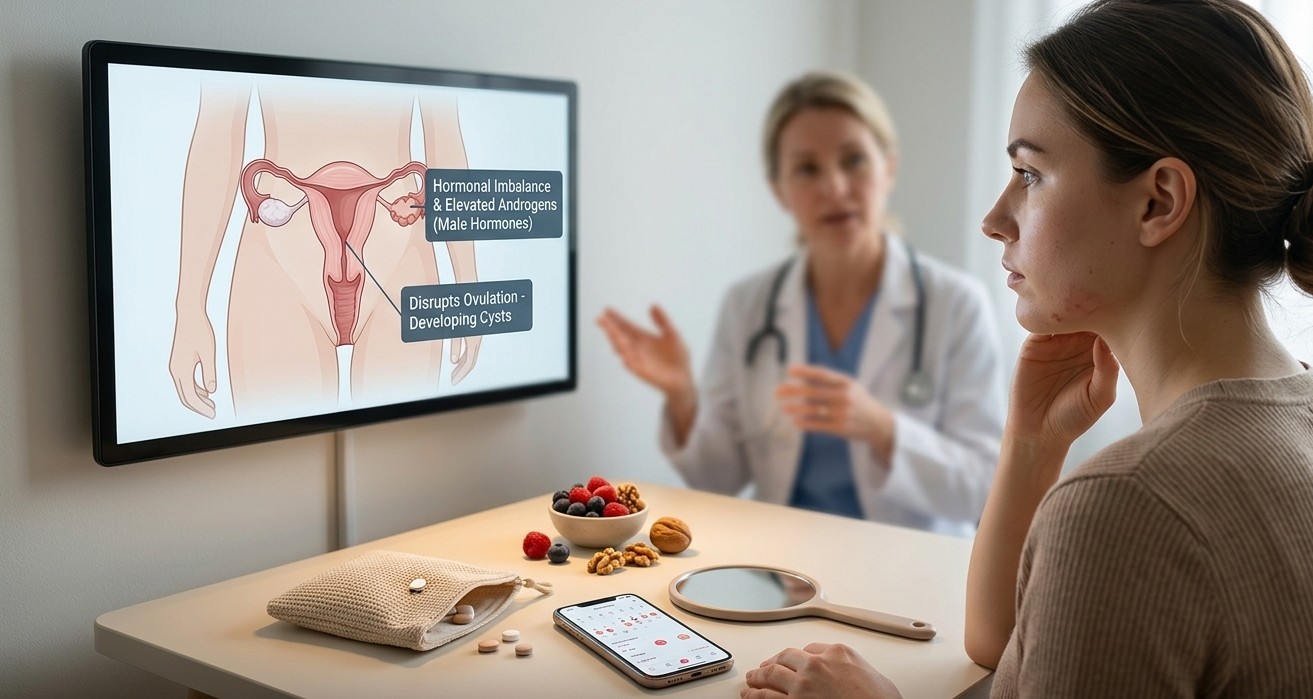
PCOS is a hormonal imbalance in which the ovaries produce higher-than-normal amounts of androgens (male hormones). This disrupts the normal ovulation process and can cause small fluid-filled sacs (cysts) to develop on the ovaries.
Common symptoms include:
- Irregular or absent menstrual periods
- Difficulty getting pregnant
- Excess hair growth on the face or body (hirsutism)
- Acne and oily skin
- Weight gain, especially around the abdomen
- Fatigue and mood changes
The exact cause of PCOS is not fully understood, but insulin resistance, inflammation, and genetics all play a role.
How Does PCOS Affect Fertility?
PCOS is one of the leading causes of female infertility. Because it disrupts ovulation, it becomes difficult for the egg to be released regularly — making conception harder. However, PCOS is very manageable with the right medical guidance, lifestyle changes, and nutritional support.
How Can Nutrition Help?
Diet and nutrition play a powerful role in managing PCOS symptoms. The right nutritional approach can help regulate insulin levels, restore hormonal balance, and support healthy ovulation.
1. Reduce Refined Carbohydrates and Sugar
Women with PCOS often have insulin resistance, meaning their cells do not respond well to insulin. High sugar intake worsens this. Switching to low-glycaemic foods — whole grains, vegetables, legumes — helps stabilise blood sugar and reduce androgen production.
2. Increase Anti-Inflammatory Foods
Chronic low-grade inflammation is common in PCOS. Foods rich in omega-3 fatty acids (salmon, walnuts, flaxseeds), antioxidants (berries, leafy greens), and healthy fats (olive oil, avocado) can reduce inflammation and improve hormonal balance.
3. Support Gut Health with Probiotics
Emerging research shows a strong link between gut microbiome health and hormonal balance. A healthy gut can help regulate oestrogen metabolism and reduce inflammation associated with PCOS. A quality multi-strain probiotic supplement supports gut flora balance.
4. Myo-Inositol Supplementation
Myo-inositol is a naturally occurring compound that has been clinically shown to improve insulin sensitivity and support healthy ovulation in women with PCOS. Studies show it can help regulate the menstrual cycle, improve egg quality, and increase pregnancy rates — including in women undergoing IVF.
💊 Ovarix by Mayar Innovations contains 4,000mg of myo-inositol per sachet — clinically formulated to support ovulation, improve egg quality, and increase pregnancy rates in women with PCOS. Available across Saudi Arabia.
Lifestyle Tips Alongside Nutrition
- Aim for at least 30 minutes of moderate exercise, 5 days a week
- Prioritise sleep — poor sleep worsens insulin resistance
- Manage stress through mindfulness, yoga, or walking
- Work with your doctor to monitor hormone levels regularly
Final Thoughts
PCOS can feel overwhelming, but it is manageable. With the right nutritional approach, targeted supplementation, and medical support, many women with PCOS go on to lead healthy lives and achieve successful pregnancies. Start with small, consistent changes — and consult your healthcare provider before starting any new supplement.
At Mayar Innovations, we are committed to supporting women’s health across Saudi Arabia with science-backed, high-quality nutritional solutions.
